

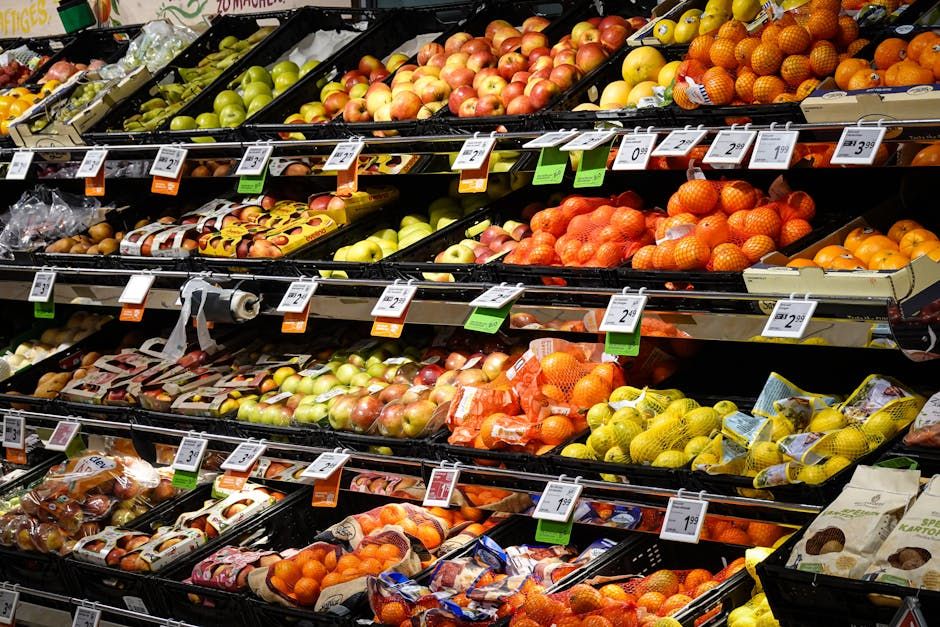
According to the latest data from the Food and Agriculture Organization (FAO) at the UN, food prices on the world market are rising again, reaching their highest levels since September last year. The main driver of the price increase is tension in the Middle East, which leads to higher energy prices and consequently higher agricultural production costs. However, thanks to stable global grain stocks, the current growth remains relatively moderate.
FAO's chief economist, Maximo Torero, warns that the duration of the conflict carries the risk of more drastic price increases. If resource prices remain high for more than 40 days, agricultural producers will likely reduce investments, plant less, or switch to cheaper crops. This would directly affect future harvests and increase price pressure on food during both the current and next campaigns.
The food price index rose by 2.4% in March compared to February. On an annual basis, the growth is around 1%, with values remaining about 20% below the peak from March 2022, triggered by the start of the war in Ukraine.
Trends by commodity groups
The movement of market prices in individual categories is as follows:
- Prices of grain crops increased by 1.5%, with wheat rising by 4.3% due to weaker harvest forecasts in the US and expectations of fewer planted areas in Australia.
- Corn shows a slight increase, supported by ethanol demand and higher energy costs.
- Rice becomes cheaper by about 3% against the backdrop of seasonal factors and reduced demand.
- Vegetable oils see the most significant increase – by 5.1% for the third consecutive month. Palm oil prices reach levels from mid-2022, supported by expensive energy and expectations of greater biofuel production.
- Sugar shows a sharp jump of 7.2% in March, reaching a peak value from October 2025. The reason is that Brazil is likely to direct more raw material to ethanol due to high oil prices.
- Meat prices increase by 1%, driven by higher pork prices in the European Union and beef in Brazil, while poultry meat becomes slightly cheaper.
At the same time, FAO slightly raises its forecast for global grain production in 2025. It is expected to reach a record 3.036 billion tons – an annual growth of 5.8%, which could partially offset the current price pressure.
Source: Gospodari.com
Comments
No comments yet. Be the first to comment!
Join the conversation
You need to register and confirm your email before writing comments.