

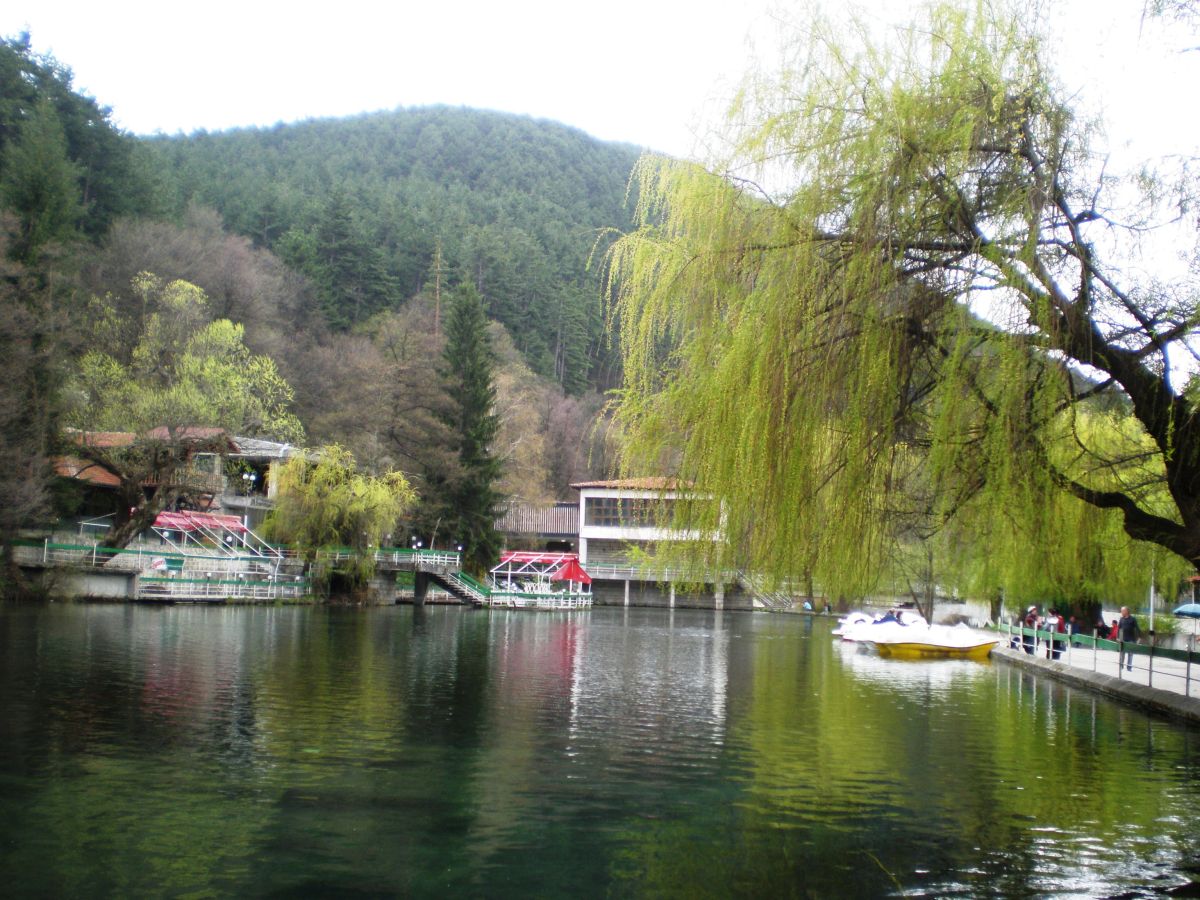
With increased public interest, the Municipality of Velingrad held a public meeting, during which information was presented about important infrastructure projects related to the region's water supply and development around the Captured Spring 'Klepzuza.' The main mission of the meeting was to present the facts, permits, technical solutions, and upcoming activities related to the implementation of the projects, which have recently become a focus of public attention.
Attendees included citizens, hoteliers, media representatives, local authorities, public figures, and interested parties. Representatives of critically inclined groups were also invited, but some of them did not attend.
Mayor Kostadin Koev emphasized that in recent years, the problem of water shortages and drought has been increasing as a national challenge. He pointed out that it is necessary to take timely measures to guarantee water supply for future generations and added that dialogue, transparency, and responsibility are essential for resolving the situation.
"The main goal is to ensure security for the people — not just today, but for decades to come. Water should be viewed as a strategic resource that should not be used for political confrontations," the mayor further stated.
In connection with the project, the chief architect presented all issued building permits, emphasizing that all activities have undergone the necessary legal and institutional procedures, with decisions from the Municipal Council.
The inspected sites include:
- a new water pipeline and reconstruction of existing infrastructure around 'Klepzuza';
- reconstruction of street water pipelines;
- construction of a pumping station and a suction reservoir;
- repair and upgrading of facilities at 'Klepzuza.'
The municipality pointed out that the projects aim for modernization and securing the existing water supply system, and do not involve new water extraction, but rather the improvement of infrastructure.
Regarding the company 'Timbark Bulgaria' LLC, it was clarified that it will not draw water directly from the spring; its activity is conducted with a permit issued by the Basin Directorate. Water is state property and under strict control.
Citizens expressed concerns about the concrete water collector in the area of the spring. Alternative solutions were discussed, such as using glass structures.
The designer explained that concrete is necessary for the reliable protection and sealing of the facility, and using other materials would be risky. After construction is complete, the area will be landscaped, and the facilities will be integrated into the natural landscape. A public discussion on the area's vision is also planned, along with the implementation of sanitary and protective measures in accordance with the requirements.
At the end, municipal representatives stated that there are currently no institutional barriers or violations, and all activities are carried out legally and in the interest of the public.
Source: Zname.info
Comments
No comments yet. Be the first to comment!
Join the conversation
You need to register and confirm your email before writing comments.