

Green organizations have finally blocked the implementation of the 'Sютка' ski zone project in the Velingrad area. The reason is the declaration of the new protected area 'Golyama Sютка' in the Rhodopes, covering 735 hectares, as a measure for nature conservation, forest landscapes, and animal habitats.
Formally, the motive for creating the protected zone is to preserve the natural environment and to establish a buffer zone around the 'Beglika' reserve. In practice, however, this prevents the realization of one of the most discussed winter tourism projects for the region.
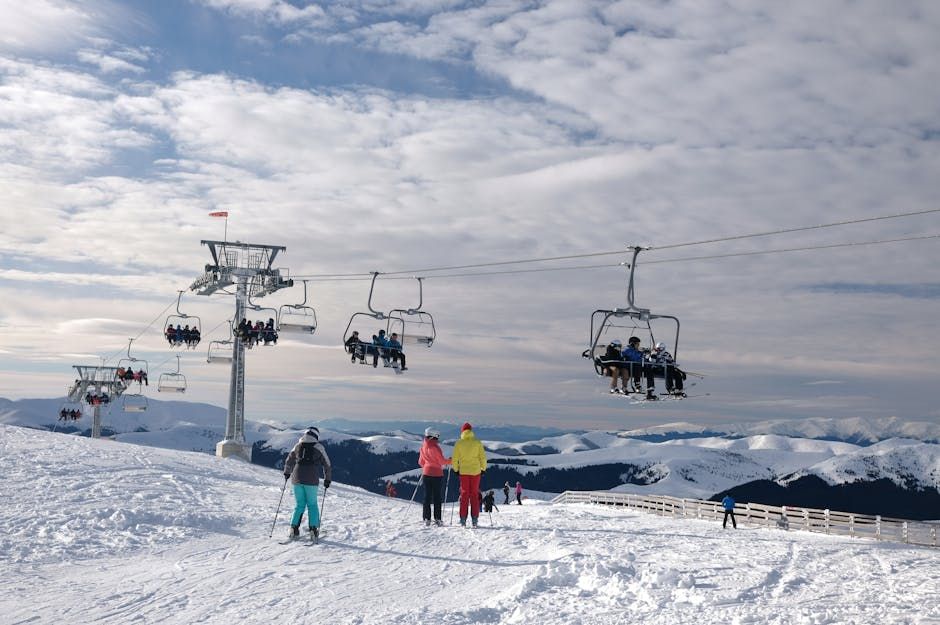
The idea for the ski zone envisaged the construction of a network of 28 kilometers of pistes, lifts, T-bar ski lifts, and a cable car at the foot of the Sютка peak. The area is considered excellent for winter tourism due to its high altitude, natural features, and proximity to Velingrad. This combination could have allowed the town to develop as a winter destination, combining skiing, mineral springs, and spa tourism.
The project was supported by community figures and local personalities, including the former mayor of Velingrad, Ivan Lebanov, who is Bulgaria's first Olympic medalist in winter sports. He repeatedly emphasized 'Sютка’s' potential to turn Velingrad into a year-round resort.
Nevertheless, administrative procedures and intensified ecological controls led to the project's blocking. This means that an opportunity for investment, jobs, and economic development for the region has been missed. Analysts point out that this case is yet another example of how conservation procedures sometimes hinder infrastructure and tourism initiatives without providing alternatives for development.
If 'Sютка' had been realized, Velingrad could have competed with other winter resorts like Bansko, Pamporovo, and Borovets. In Bulgaria, such combinations of skiing and mineral springs still represent a successful business model, but currently, many ideas are lost due to administrative barriers and campaigns against investors.
As of today, 'Golyama Sютка' remains a protected area, and the ski zone project is a thing of the past. For green organizations, this is a victory, but for the region and community— a missed chance for development, tourism, and economic prosperity.
Source: Trud.bg
Comments
No comments yet. Be the first to comment!
Join the conversation
You need to register and confirm your email before writing comments.