

Prices of basic food items continue to rise, and the gap between wholesale and retail values for some goods is widening, according to data from the Confederation of Independent Trade Unions (CITU) from the latest monitoring. The small consumer basket has increased by 8.6 percent over the year, and almost one third of household income is now spent on food.
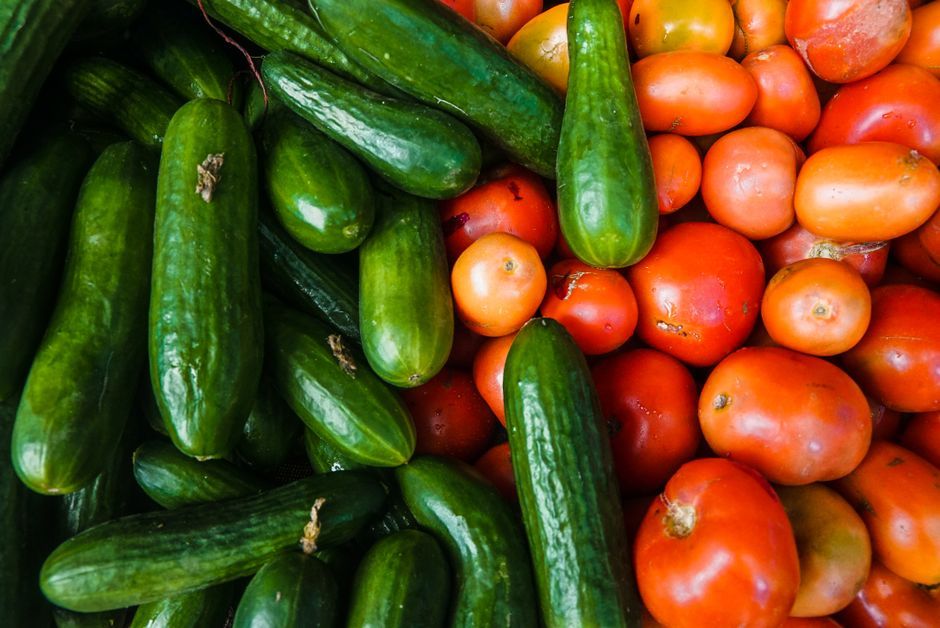
Particularly worrying are the differences for tomatoes and cucumbers, where the markup between wholesale and retail prices reaches 130–150 percent. Plamen Dimitrov, president of CITU, calls such levels speculative and states that the union monitors price differences monthly in about 600 commercial sites across 80 municipalities. Both large chains and small shops participate in the survey, and the data are compared with wholesale prices published by the State Commission on Commodity Exchanges and Markets.
According to the union, surcharges of 60–70 percent for packaged staple foods such as flour, rice, and white beans are hard to explain, and although there are additional logistics and labor costs, they do not justify such large differences. The change in vegetables is more serious: a year ago the premium on tomatoes and cucumbers was about 60–70 percent, today it reaches 130–150 percent.
CITU compares prices of identical products in seven European countries and finds that flour in our country is the most expensive among them. In Bulgaria, the final price exceeds that in Germany and France, despite a wholesale-to-retail markup of 60–70 percent already. According to the union, repeated large differences between wholesale and retail prices and high final prices relative to other countries raise questions about market functioning. The current view is that the Commission for Protection of Competition should determine the causes of these differences.
AIKB (the Bulgarian Industrial Capital Association) is more cautious in labeling this as “speculation.” Dobrin Ivanov noted that such a definition should be proven by competent authorities, but did not dispute CITU’s data. He stressed that the situation with tomatoes and cucumbers is particularly alarming, given Bulgaria’s stable local production. Ivanov suggests that the problem may lie in the supply chain and market organization.
He points to examples of Bulgarian tomato producers who struggle to find buyers and are forced to sell at low prices, while the end consumer in stores pays significantly more. A similar problem is observed with grapes: the Swilengrad area shows producers unable to realize their harvest, while the price for the consumer in the capital reaches about 2 euros per kilogram. According to Ivanov, high end prices and large markups cannot be explained solely by farmers’ profits, and indicate that the focus should be on the other links in the chain between producer and purchaser.
Source: Plovdiv24.bg
Comments
No comments yet. Be the first to comment!
Join the conversation
You need to register and confirm your email before writing comments.